


Introduction As the field of genomics undergoes rapid transformation, genetic counselors must confront the challenge of adapting to new technologies and consumer expectations. The global genomics market is projected to soar to over $133.95 billion by 2035, highlighting the urgency for professionals in this field to evolve their practices. Understanding the implications of these changes […]

Introduction Understanding the complexities of inheritance and trait variation is crucial for genetic counselors, yet many encounter significant challenges that impede effective patient support. This article explores four best practices that enable counselors to: Strengthen their expertise Leverage technology for improved communication Effectively address the emotional responses of patients encountering genetic information Transform their approach […]

Introduction Pedigree charts are essential in genetic counseling, providing a clear visualization of familial relationships and trait inheritance. By mastering the components and creation of these charts, genetic counselors can enhance their assessments and provide informed guidance to patients regarding hereditary risks. Genetic counselors frequently encounter obstacles such as: Incomplete family histories Misinterpretation of symbols […]

Introduction Understanding family medical history is essential for effective genetic counseling and proactive health management. By uncovering the inherited risks within familial backgrounds, individuals can make informed health decisions that significantly enhance their wellness outcomes. Many individuals do not recognize the importance of these discussions, which can create a communication gap that hinders effective health […]

Introduction Pedigree drawing software is revolutionizing the management of family history data for genetic counselors, presenting both opportunities and challenges. This software enhances the visualization and management of ancestral data for genetic counselors. It streamlines documentation and improves communication between counselors and patients. This accessibility is crucial for effective patient communication and understanding of genetic […]
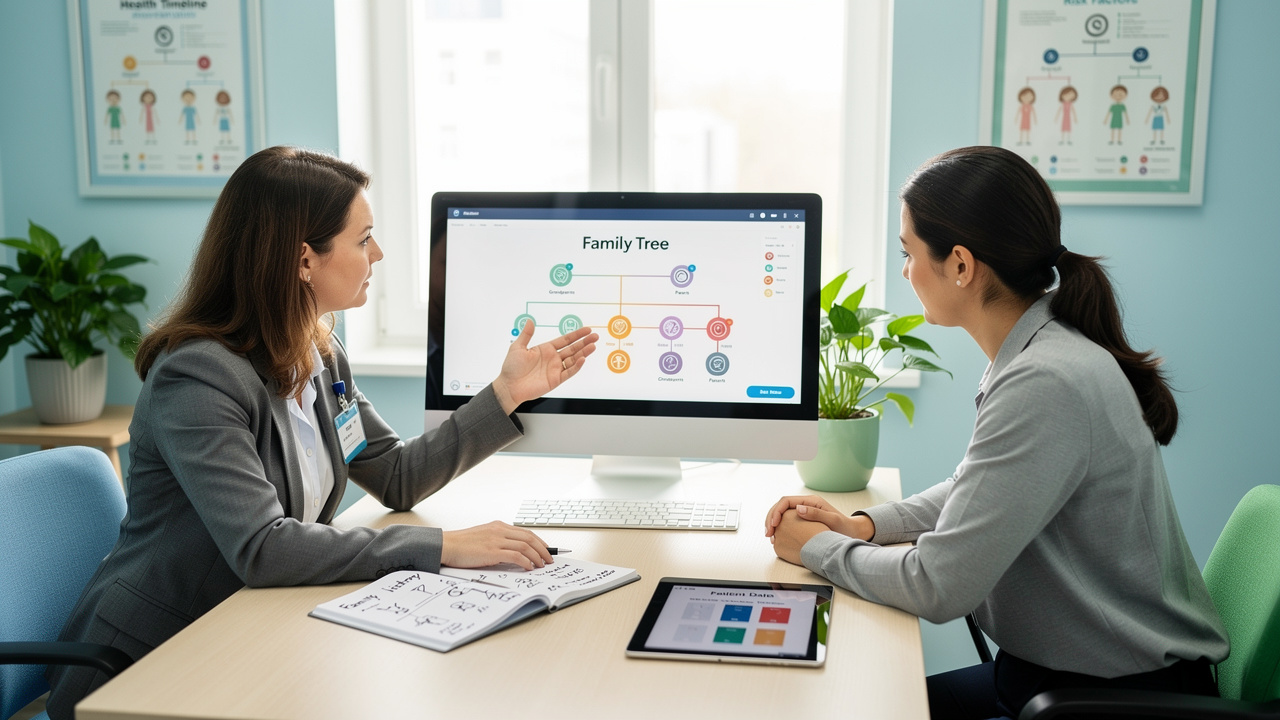
Introduction Genetic pedigree software serves as a crucial tool in understanding family histories and hereditary traits, yet its effective use remains a challenge for practitioners. This tool helps counselors visualize familial relationships and improves the accuracy of risk evaluations and client education. As the field of genetic counseling evolves, practitioners must find ways to effectively […]
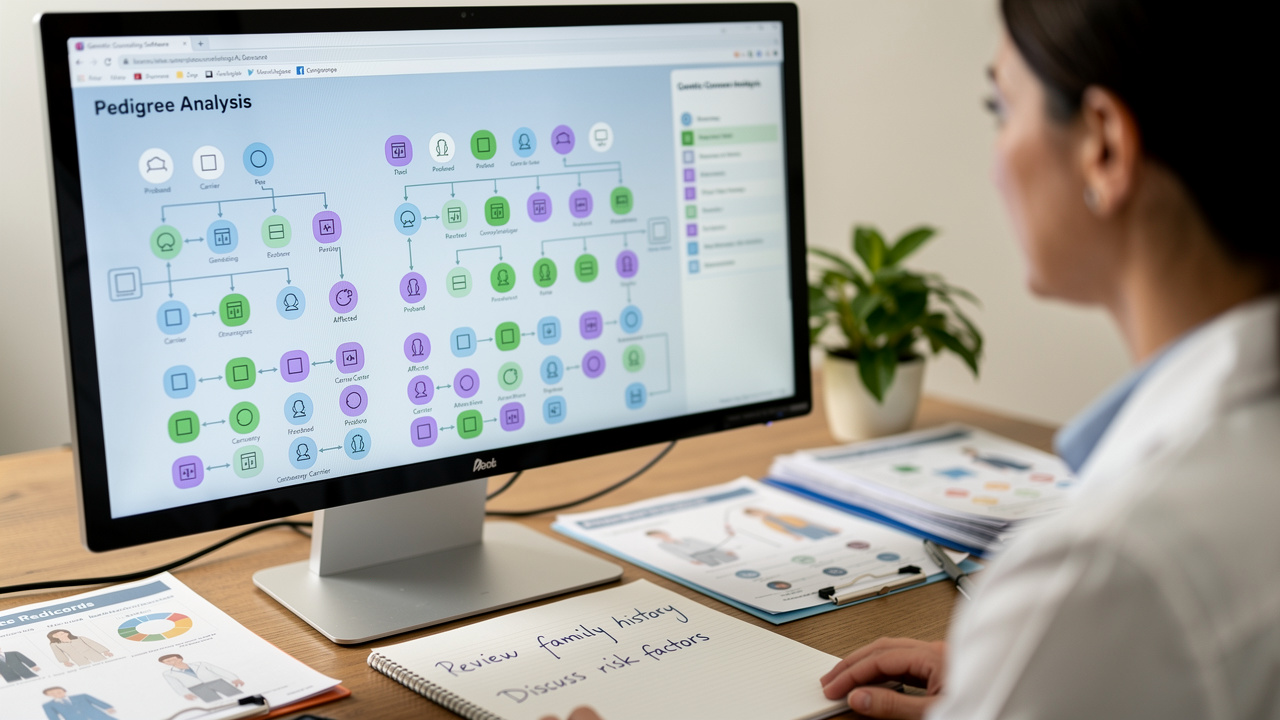
Introduction Genetic counselors frequently encounter challenges in documenting and analyzing family histories, which are essential for effective patient care. By mastering genetic pedigree software, counselors can streamline their workflow and improve patient care, making it easier to navigate the complexities of hereditary information. Counselors must adopt best practices to fully harness the capabilities of genetic […]
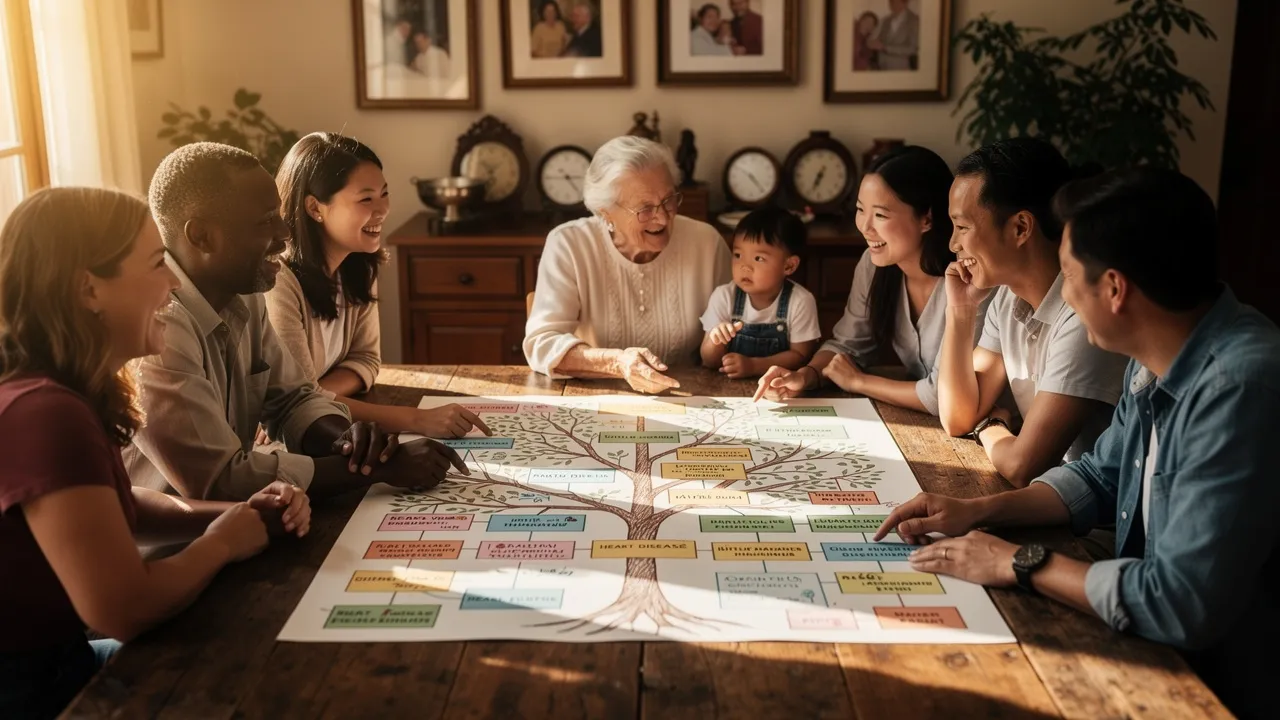
Introduction Family history is a pivotal element in genetic counseling, providing insights into hereditary risks that significantly influence health outcomes. By documenting familial health narratives, individuals enhance their understanding of potential genetic conditions and empower themselves to make informed decisions about their health. Many individuals struggle to gather comprehensive family health histories due to lack […]

Introduction Understanding recessive inheritance is crucial for navigating genetic disorders that significantly affect family health. By grasping the nuances of this inheritance pattern, genetic counselors can better guide families through the complexities of conditions like cystic fibrosis and sickle cell anemia. Many families struggle to understand the implications of carrier status and the associated risks, […]

Introduction The integration of online pedigree databases is reshaping genetic counseling practices, presenting both opportunities and challenges. These databases are crucial for accurate hereditary assessments. Counselors must balance the use of data for informed decision-making with the emotional complexities patients face. How can counselors effectively integrate these tools while prioritizing the human element of care? […]
 Cymraeg
  English (UK)
  Suomi
Suomi  Français
  Deutsch
  हिन्दी
  Italiano
  Bahasa Melayu
  Español
  සිංහල
සිංහල  English
  English (Canada)
  English (Australia)